

Spoiler-free
Intro
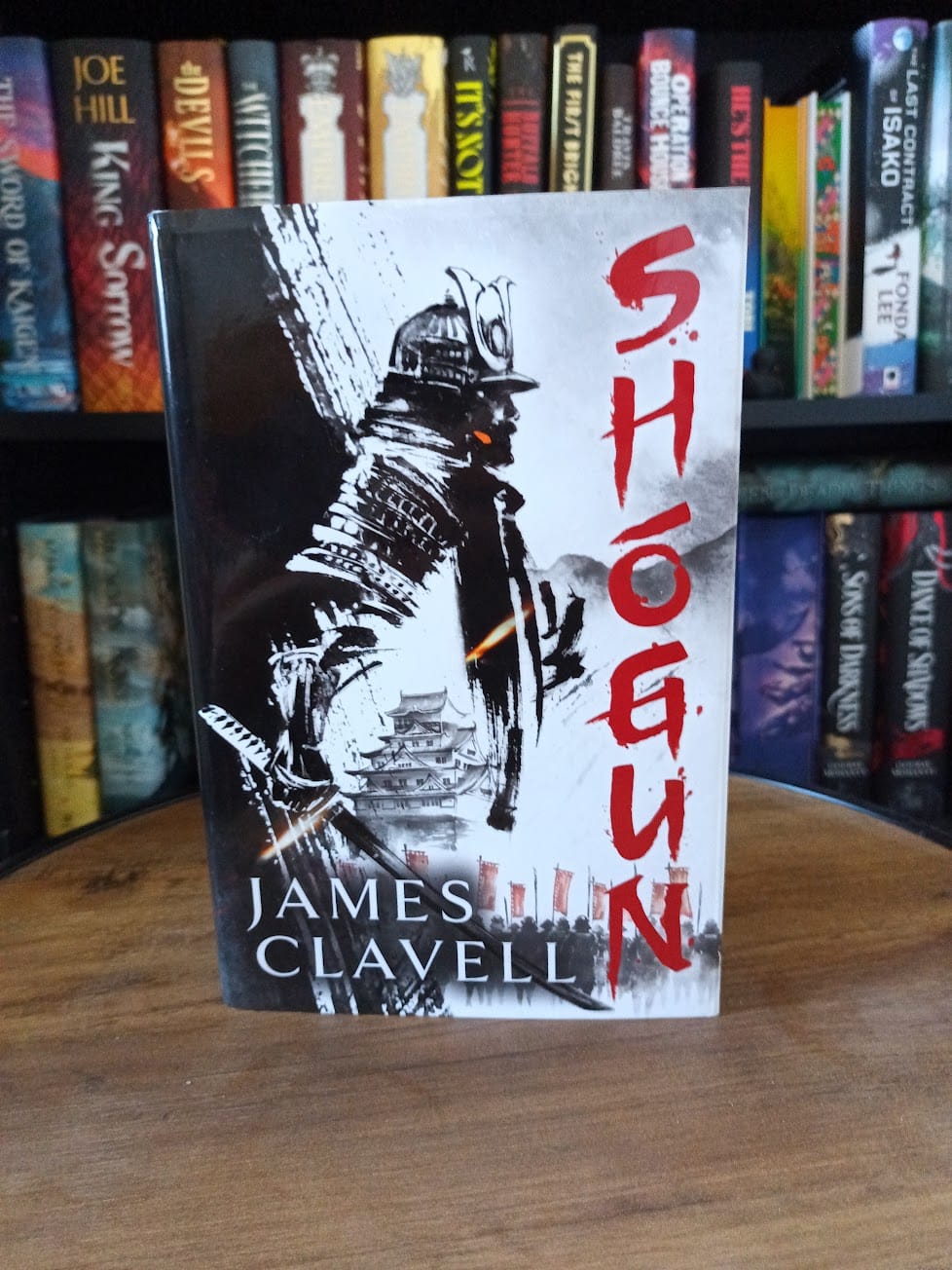
Set in the 1600s prepare to be immersed along with our main protagonist - Englishman, John Blackthorne - in feudal Japan where political strife is rampant. Cultures clash as much as swords as Blackthorne is torn between two worlds. He questions his own understandings of not only who he is, but of what the world has and will become. Shōgun is a classic of historical fiction that delves deeper than first meets the eye.
The Premise
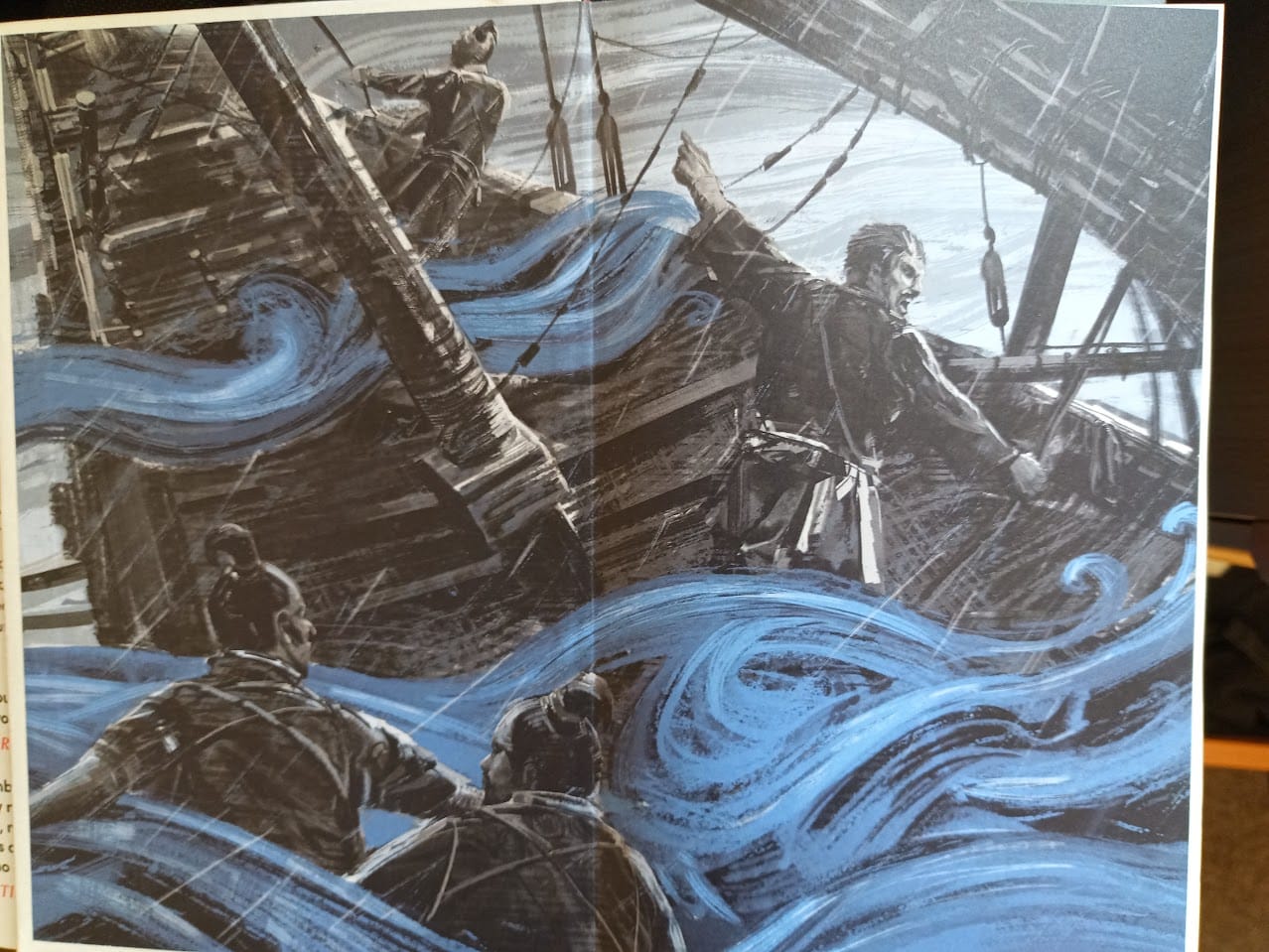
John Blackthorne is an English pilot who at the beginning of the novel is lost at sea, only to wash up on Japanese soil. Life on Japan is vastly different to that he is used to and if he wishes to survive he has no choice but to adapt to their unique customs and language. It doesn't take long for Blackthorne to be thrusted head first into the political chaos of feudal Japan, as he carves out his new life.
The Review
Reading Shogun came with a few surprises. I went into this expecting a vast samurai war epic (and that it is) yet I wasn't expecting there to be such an emphasis on culture clash. There are so many small moments which highlight how different, yet similar, the English and Japanese are. For example, there is a whole chapter of Blackthorne teaching samurai how to properly dive into water, something alien to them before. It's little moments like these that really flesh out this world and gives not only John, but also the reader a deeper understanding of Japanese culture in the 17th century.
As someone who has spent a fair amount of time living in other countries, such as Germany and China, this emphasis on cultural exchange resonated with me. Last year I spent 5 months living in YangShuo, China which is naturally very different to my hometown in the UK.
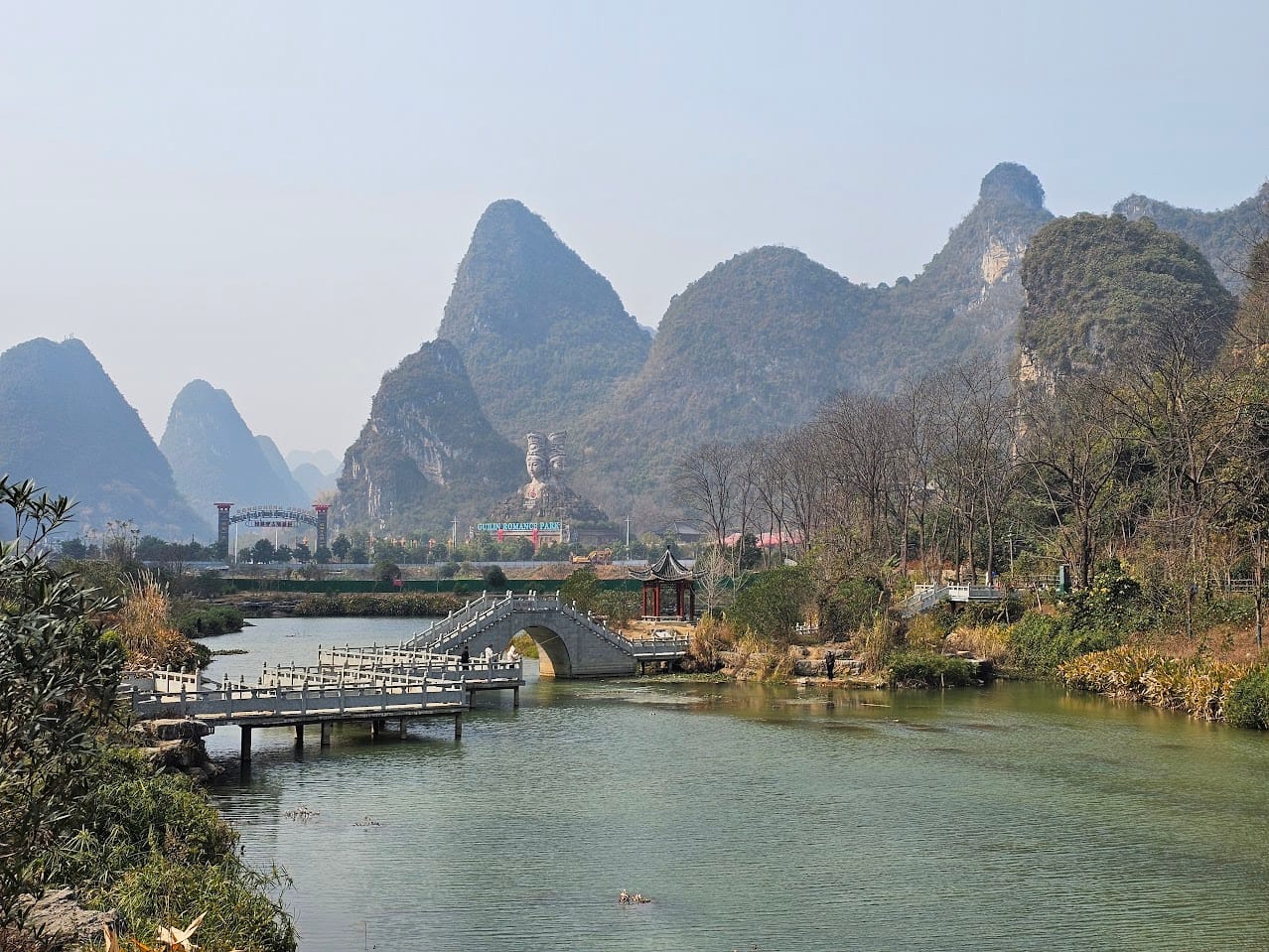
Learning how the everyday person lives in a completely different culture such as China is fascinating to me as it highlights the beauty in life's indifference. During this time I was learning not only the language, but also customs and traditions of the local people. This level of understanding of another culture is only truly achievable by being fully immersed in that way of life for an extended period of time.

This is exactly what happens with John Blackthorne in Shogun from the moment he is washed up on the shores of Japan (Albeit with admittedly much higher stakes than my trip to China). Blackthorne's survival relies heavily on his ability to adapt. In order to adapt he must be open to understanding customs he doesn't agree with and listen to wisdom he can't comprehend. The story of Blackthorne is one of rebirth. He begins as a strong Englishman, only to become more accustomed to the Japanese way of the samurai.
'Always remember, child,' her first teacher had impressed on her, 'that to think bad thoughts is really the easiest thing in the world. If you leave your mind to itself it will spiral you down into ever-increasing unhappiness. To think good thoughts, however, requires effort. This is one of the things that discipline - training - is about. So train your mind to dwell on sweet perfumes, the touch of this silk, tender raindrops against the shoji, the curve of this flower arrangement, the tranquillity of dawn. Then, at length, you won't have to make such a great effort and you will be of value to yourself, a value to our profession - and bring honor to our world, the Willow World...'
This cultural exchange works both ways. Blackthorne doesn't wish to shed all that he has been and still values his own culture and wishes to share that with the Japanese to varying results. A big issue he faces is food. In 17th Centaury Japan, people ate raw fish and rice and vegetables. Notably no meat. Naturally, this begins to take its toll on our Englishman who ends up butchering a pheasant for dinner, much to the disgust of the local Japanese. Despite the Japanese watching in horror, and some even throwing up, there is an understanding there that these are his ways, as he does in his culture. The samurai may constantly call him a barbarian for acting without the poise and integrity of a traditional samurai, but the understanding of cultural differences is prevalent throughout, which is what makes this cultural exchange so effective. Oh, and the fact that a general ordered an entire village to help Blackthorne learn Japanese in 6 months or they all die... That probably had a role to play in things...
That he has given the village the honor and responsibility of teaching you. The village is responsible, Anjin san. Everyone here is to help you. He told them that if you have not learned satisfactorily within six months, the village will be burnt, but before that every man, woman, and child will be crucified.
Naturally, Blackthorne understands literally no Japanese at the start of the book and must quickly learn the basics in order to survive. He proves himself to be a fast learner and a valuable asset to the Samurai, which is what triggers this intense language immersion program. Well, that's certainly a nice way to put it. The way that Blackthorne learns Japanese in this book is incredible as the reader is forced also to learn bits along with him. I was expecting it to be a lot of 'He said in broken Japanese' but most the time (particularly towards the beginning), what is being said in Japanese is written phonetically. Honestly, I must have read 'Wakarimasu ka?' at least 100 times now so it's safe to say I understand. As a language learner myself, I appreciate how James Clavell took the time to write this way, as it shows his own appreciation and admiration of the Japanese language.
'Wakarimasu ka?' Omi said directly to Blackthorne.
'He says, "Do you understand?" '
'What's "yes" in Japanese?"
Father Sebastio said to the samurai, 'Wakarimasu.'
The themes of religion and proselytization casts a heavy shadow to the context of events. Blackthorne is a protestant Christian, thrown into the Japan's which has received a recent influx of Portuguese Catholics. Portugal and the English are at war, and it's safe to say that despite both being Christians, Blackthorne far from considers himself a Catholic. Distinguishing himself from the Catholics is important for Blackthorne and enables him to carve out an individual identity towards the Japanese Daimyos (lords). It's additionally important as the Daimyos use Catholic monks as their translators, as the Catholics are the only ones to speak both Portuguese and Japanese, granting them much more power and sway than perhaps anyone realises.
John Blackthorne's first contact with the Daimyo of Japan circa. 17th Century.
James Clavell uses third person omniscient to write this book, which basically means that we are inside everyone's head at once and the perspective can change mid sentence. This style of writing frustrates me. I much prefer to have a singular perspective so I know exactly who's head I am inside at any time. After about 200 pages I found that I became accustomed to this way of writing and it didn't really annoy me from then on. 200 pages may seem like a lot but given how this book is over 1000 pages long, it really wasn't that bad. I can see the need to be inside other people's heads in this book to fully understand the political manoeuvring, but I still feel I would have personally preferred to stick to just one perspective at a time instead of all at once.
Around the 70% mark I found that the pacing lost some steam and it plodded along for a good 20% before hitting the climatic end. Perhaps it was simply me who was worn out at this point, but I did feel my interest and immersion start to wane at this point so it's worth noting. There was a definite lull in my enjoyment at around this 70-90% mark which is a shame as I was fully on board for the first half of the book. By this point Blackthorne and also the reader is fairly comfortable with their understanding of Japanese culture and the plot transitions from this culture clash to a clash of wits and blades. Naturally, this is very exciting and it was once we finally got to the climatic points. I am very curious to see how the tv show tackles this particular portion of the book, as I believe it could have been structurally handled much better.
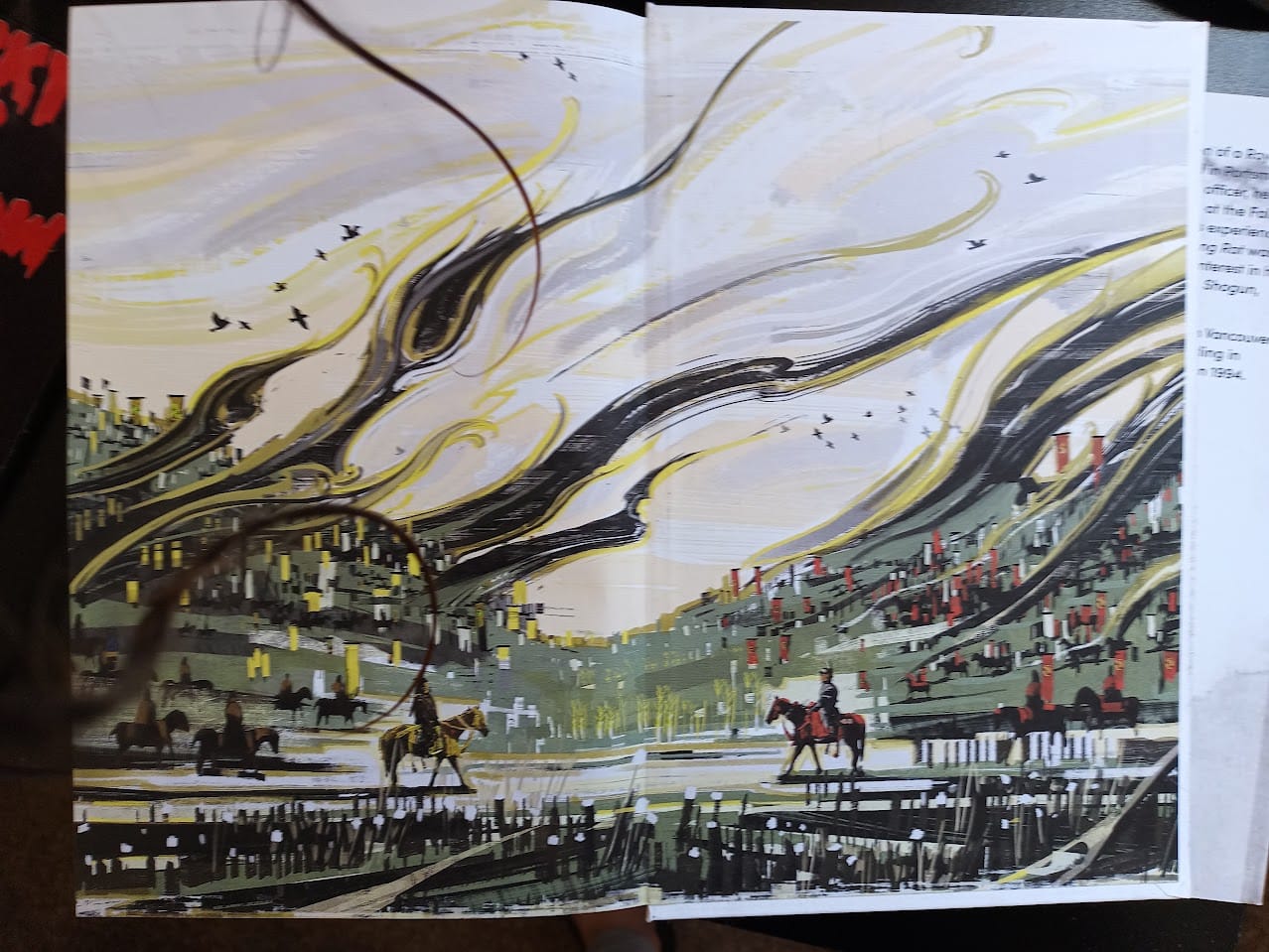
Shogun was a mammoth of a book to read and I'm very happy that I have finished it. Occasionally it would take a fair few pages to get into, but as soon as I was on a roll, I spent many a cosy time fully immersed in 17th century feudal Japan. This book has a lot going for it thematically, all of which I love - Moral ambiguity , Cultural exchange, Religious Beliefs, Romance and Heroism all blend together to form this Samurai epic! I am very much looking forward to watching both shows to see how they hold up to this titan of Historical Fiction.
🌕🌕🌕🌕🌘 - 4.25 Stars
P.S - For this review's spoiler chat I figured I would talk about the TV show in tandem, so if you have seen the 2024 TV series then feel free read on to Spoiler Chat!

Spoiler Chat/ TV Talk
Yay! Now I've just finished the show (2024)! Obviously I am very impressed because hot damn that was a good adaptation. The level of intensity in some scenes was off the charts! Initially, I was slightly concerned after the first episode as it seemed to be quite confusing, even for me after having just finished the book, however, my fears were put to bed as we dove deeper into this political tangle of deceit. This is a show you have to whole heartedly trust that it knows what it's doing and before you know it you'll be clenching your butt cheeks in suspense.

Let's do some character talk:
John Blackthorne/Anjin
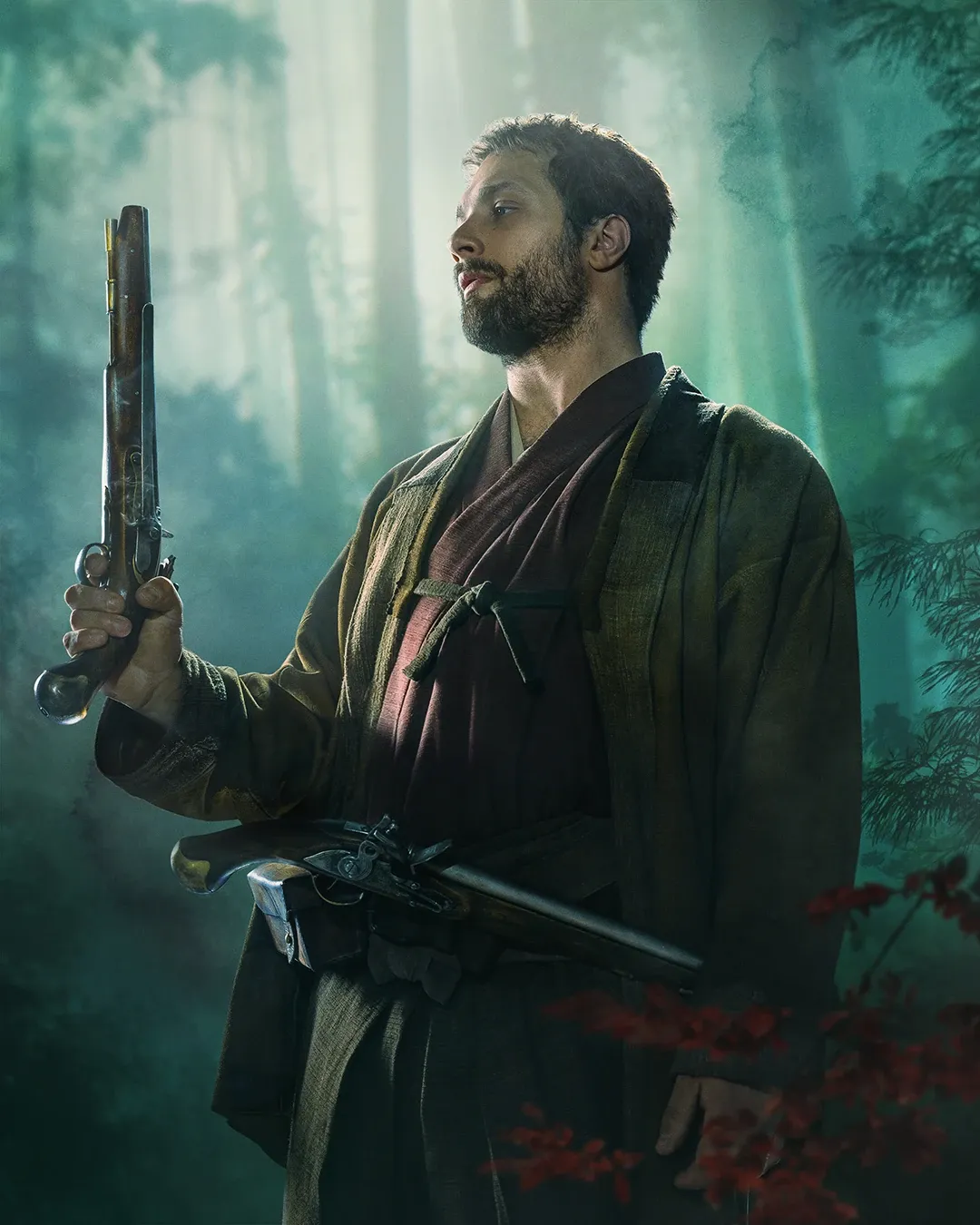
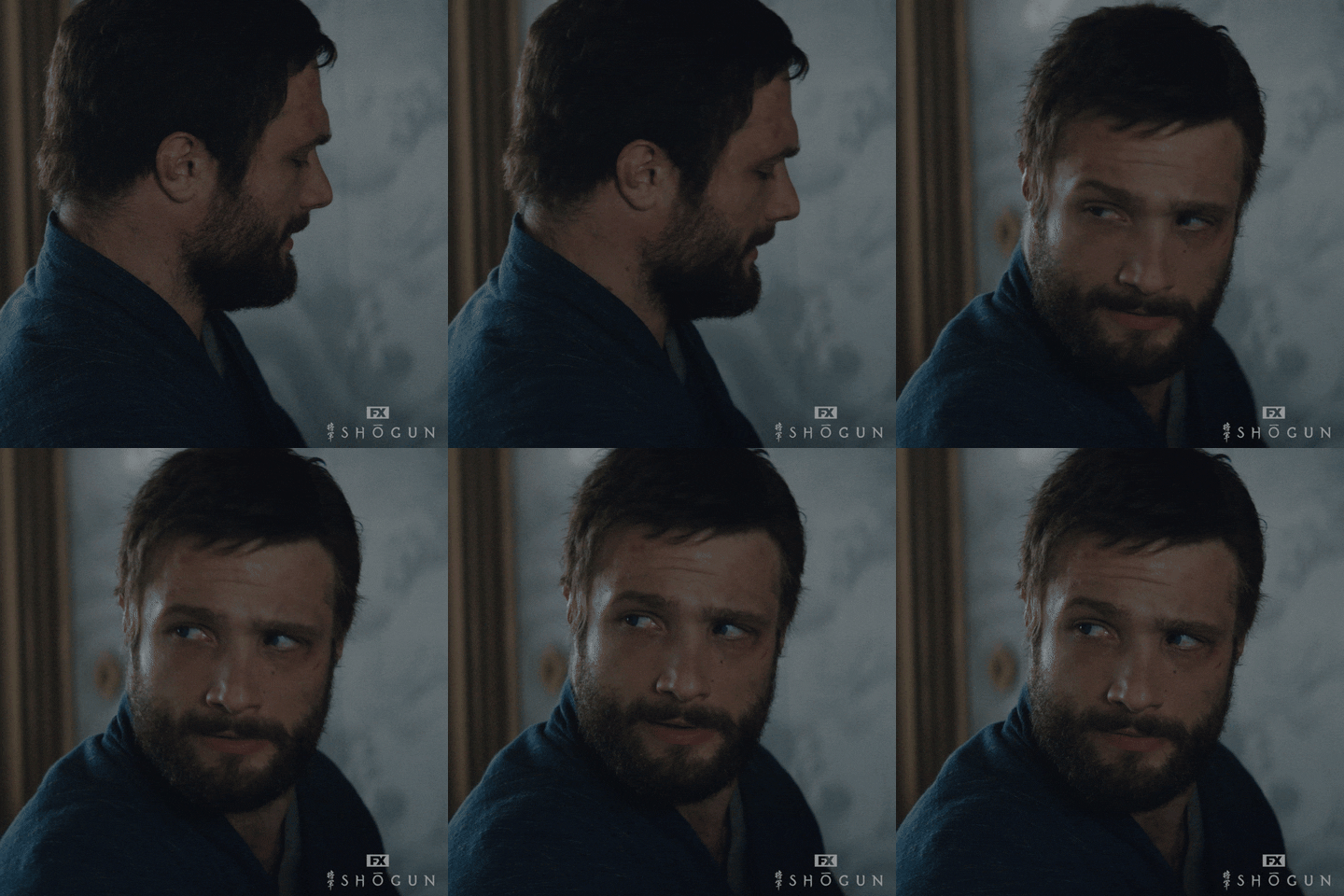
I have already touched on Anjin's journey a lot in the spoiler-free section and he goes on much a similar journey in the show. Naturally, a lot of scenes were cut but the essence of his journey remained much the same in the show. I will say that Anjin's voice kind of pissed me off in the show. There was something just really performative and put on by his accent that I couldn't take seriously. Idk if it was just the absurd Englishness of it but whatever I got over it eventually. I do think the actor did a good job he's just got one of them faces that pisses me off xD.
Toda Mariko
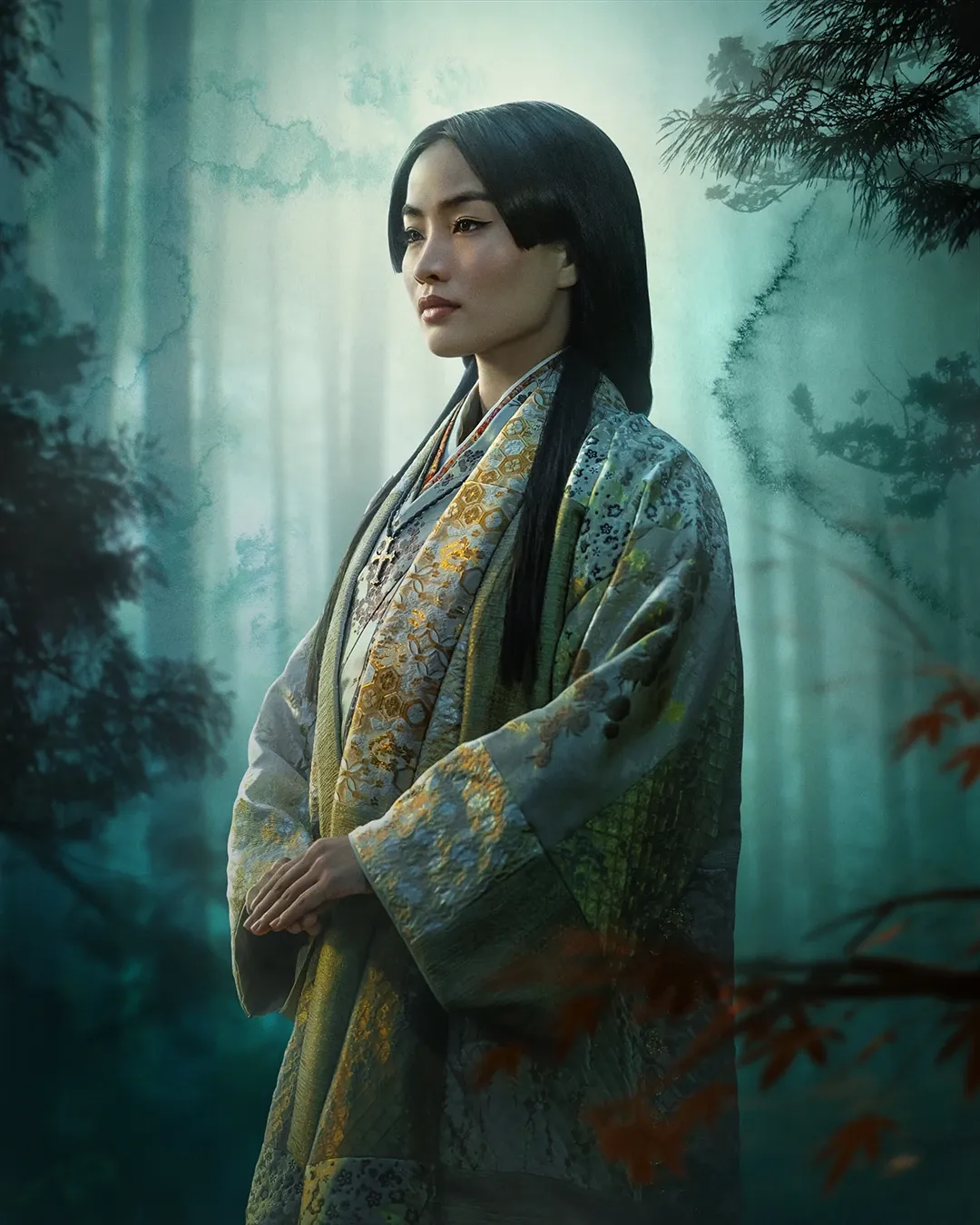
What a phenomenal woman! Mariko truly had everyone in her back pocket this entire novel. She never faltered and always delivered what was absolutely necessary, in addition to what was perhaps not... I.E sexy time with Anjin LOL.

Mariko is partly able to harness such influence due to her role as the Anjin's interpreter. Mariko and Mariko alone has the power to meticulously guide conversations in her favour by altering words exchanged just enough to sew doubt or trust into them. She is a weaver of words and a political powerhouse. Not to mention also Samurai. Just as the Anjin was required to learn the ways of the Japans, so too was Mariko required to learn the ways of this barbarian, so that he could be used to the greatest effect. Of course, I knew her death was coming but witnessing Mariko unflinchingly approach her death to fulfil her duty to Toranaga was masterfully done. She is just a straight up badass!
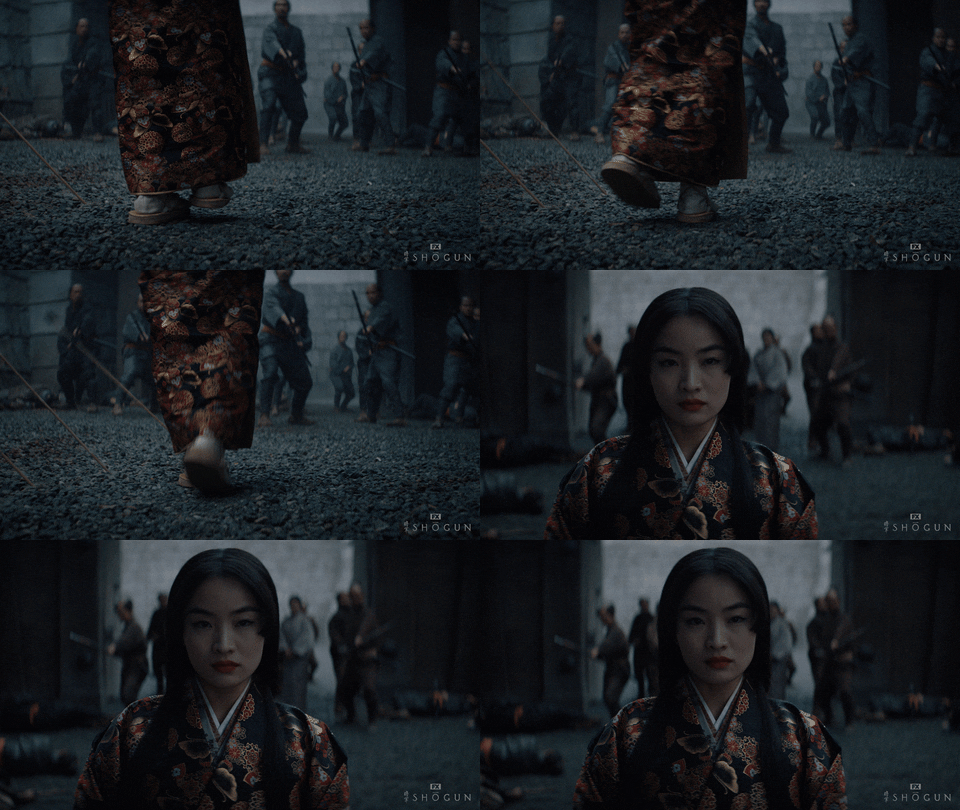
Unfortunately, Mariko's death was vital to Toranaga's plans at this stage. By protesting in such an elaborate fashion, Mariko was able to have Ishido admit that all the lords were being held captive against their will, whilst also sewing doubt into Ochiba's firm alliance with Ishido. Mariko and Ochiba go way back, so there's no doubt that this was eye-opening for Ochiba. Only with Ishido's allies in disarray does Toranaga stand the chance of winning the battle ahead. At the end of the book, James Clavell writes a few paragraphs summarising what happens next, but I don't wish to touch on that in case that is the premise for season 2.
"Flower is a flower only because they fall" - Mariko-sama
Yoshii Toranaga
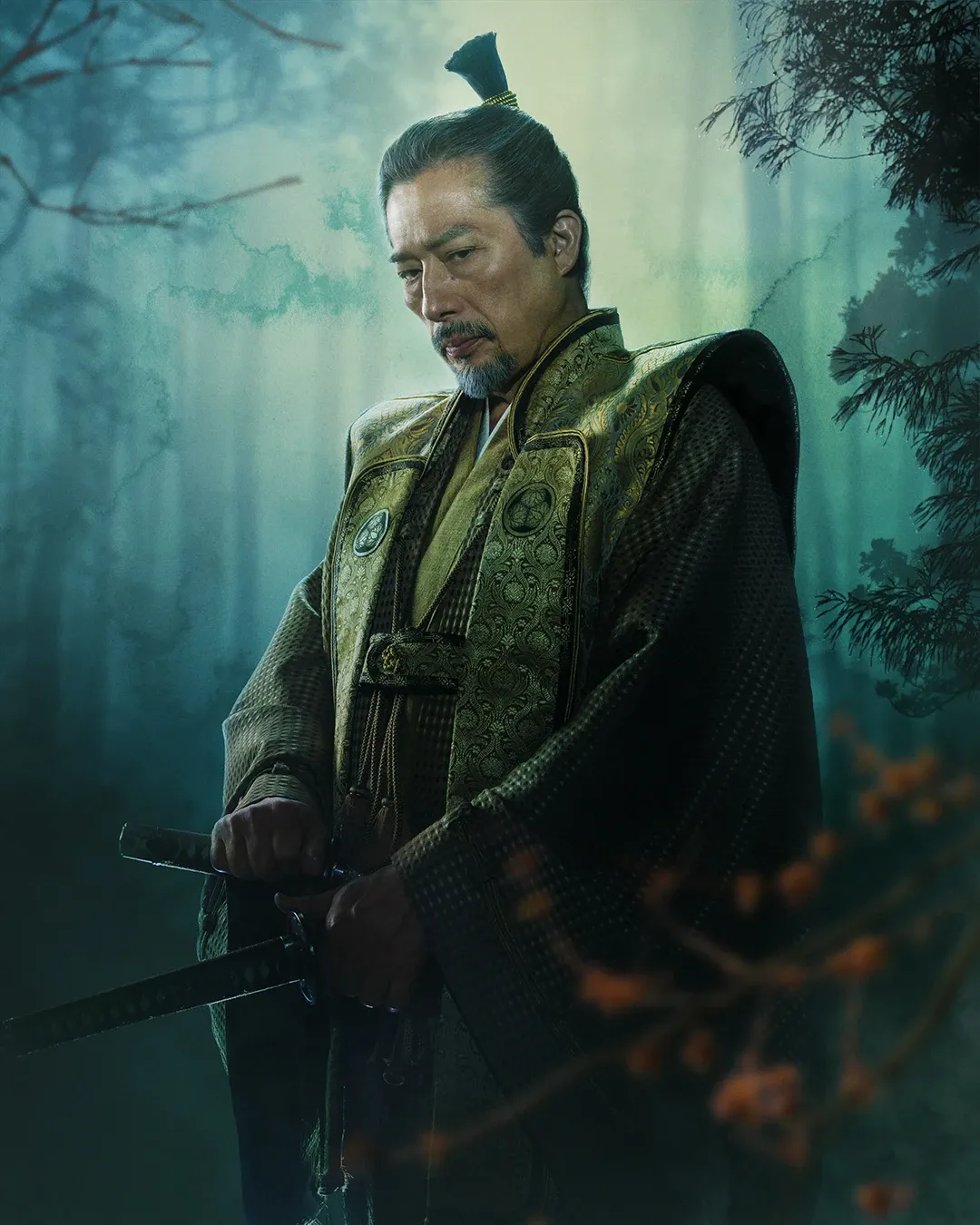
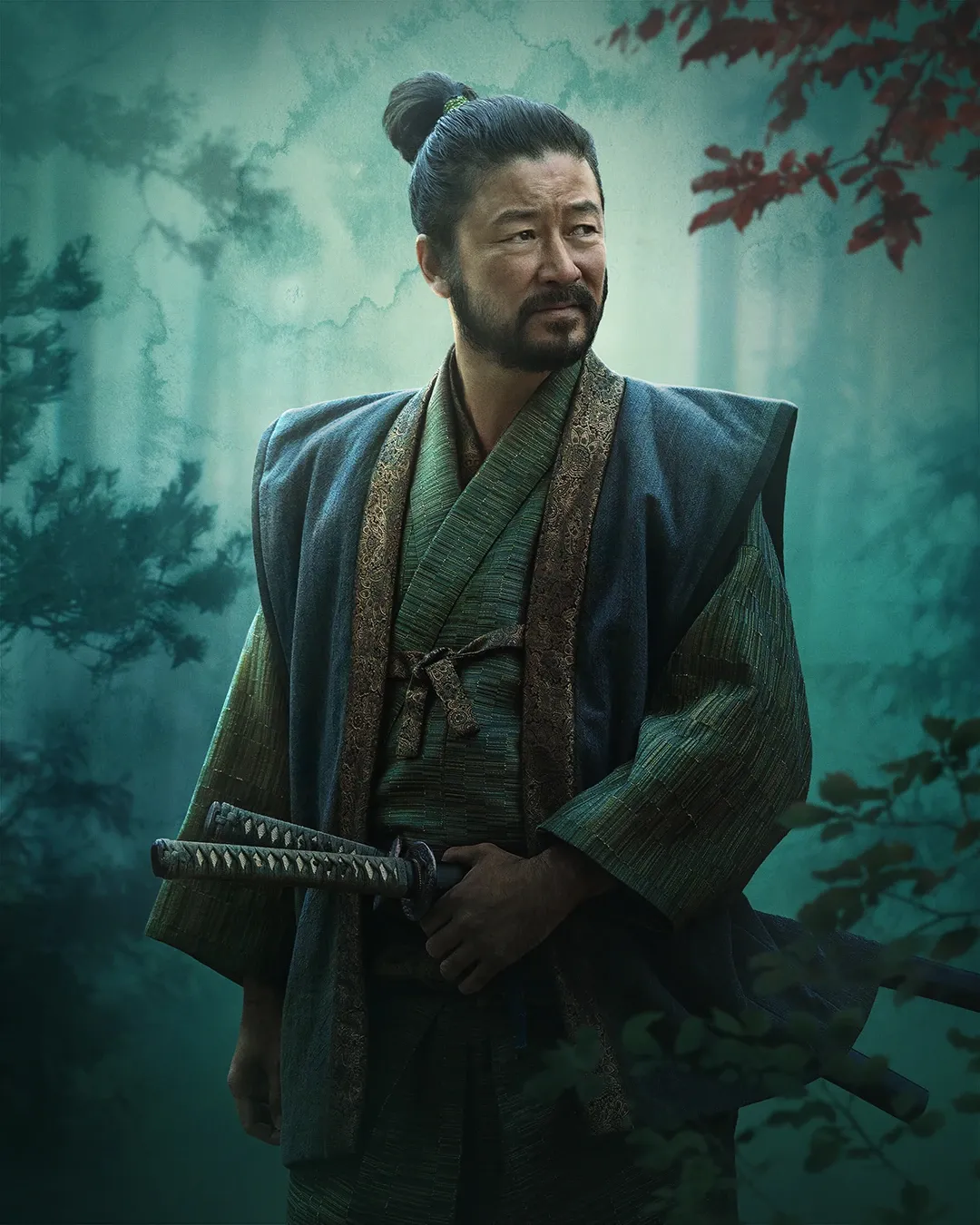
What a phenomenal actor Hiroyuki Sanada is. Toranaga is an extremely calm and calculating character and this was reflected perfectly in this performance. Despite rarely having the most lines in a scene, Hiroyuki was able to express so much emotion on Toranaga's stern portrait. The scene of his long-time friend and advisor Hiromatsu committing seppuku comes to mind.
This was perhaps the best scene in the entire show for me, certainly the most tense. Hiromatsu knows his role and duty to Toranaga all too well. By having Toranaga's best friend commit seppuku if Toranaga surrenders, affirms to Ishido that Toranaga has truly given up. Whilst everyone watches on in horror at the betrayal of two best friends, only them very friends know that their loyalty and duty to Japan transcends their own lives. Hiromatsu's duty to Toranaga and Toranaga's duty to Japan. As Hiromatsu commits Sepukku, seconded by his own son, Toranaga makes sure to not look away and give his best friend a respectful death, despite the pain clear on Torangas's face. Throughout the show, Toranaga has been portrayed as impenetrable, so to see how shaken he looks by this act, is honestly kinda heart-breaking.
Toranga gives me big Zhuge Liang vibes from the Three Kingdoms period in China.
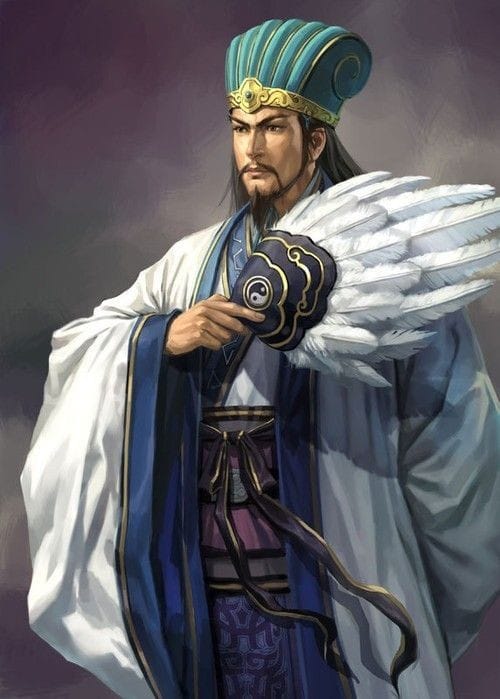
If you are unfamilliar with Three Kingdoms then just know that Zhuge Liang is THAT bitch. He is renowned for his master strategy and political manoeuvring. For real, this guy is next level. What I enjoyed about Toranaga was that he possessed these somewhat stereotypical Zhuge Liang-esque characteristics and did it all with a little more aggression and much more bite. Toranaga is unafraid to get messy and understands the long term gain of sacrifice and hardship. He's got guts. Together with Mariko, Toranaga remains a few steps ahead of everyone else and it's pretty darn impressive. It's almost as if Toranaga studies the winds once summoned by Zhuge Liang.
"I don't control the wind, I only study it" - Toranaga
Kashigi Yabushige
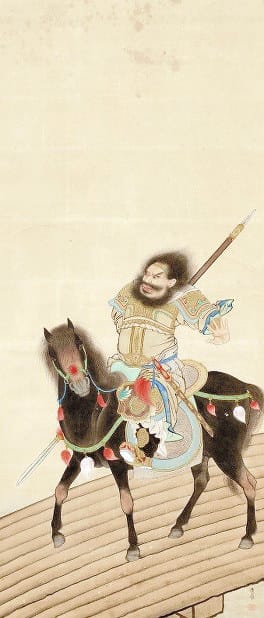
Just as Toranaga gave off Zhuge Liang vibes, Yabu gave off big Zhang Fei energy, also from the Three Kingdoms period of China. Just like Yabushige, Zhang Fei enjoys the fruits of life and appears hot headed, brash and somewhat impulsive. Where Yabushige deters from this Zhang Fei-esque architype is that he possesses the political knowhow to make moves of his own.
Throughout this story Yabushige treads the line of his alliance to Toronaga and Ishido. In my opinion, Yabu is loyal to Toranaga, however he is loyal to himself and his own fief first. When Toranaga surrenders and all hope is seemingly lost, Yabu instantly resorts the scenario that Toronaga is dead. Therefore, it is now vital that he builds back up his political alliance with Ishido to ensure the safety of himself and his men. Ordinarily this would be a smart move for Yabushige, hence why I believe him to have quite a firm grip on politics. However, as mentioned earlier, Toranga is simply steps ahead and doesn't plan to surrender at all.
It wasn't until Yabu's Seppuku that I think he realised just how far ahead Toranaga has been this entire time. While I understand Yabu's decisions for flirting with both sides, I can't help but wonder how differently things would have been for him if he had had complete trust in Toranaga's abilities. Then again, it must be hard to fully trust someone who keeps their cards so close to his chest. Heck, you can't even tell if Toranaga has any cards to play.
I feel like by the end of the show Yabu and Anjin shared a weird brotherly bond which was quite nice to see. It was Yabu after all, who first encountered the Anjin washed up on Japan soil. Shame it was cut short with Yabu's death but it had to be done.
"We live and we die, we control nothing beyond that" - Mariko-sama
Usami Fuji
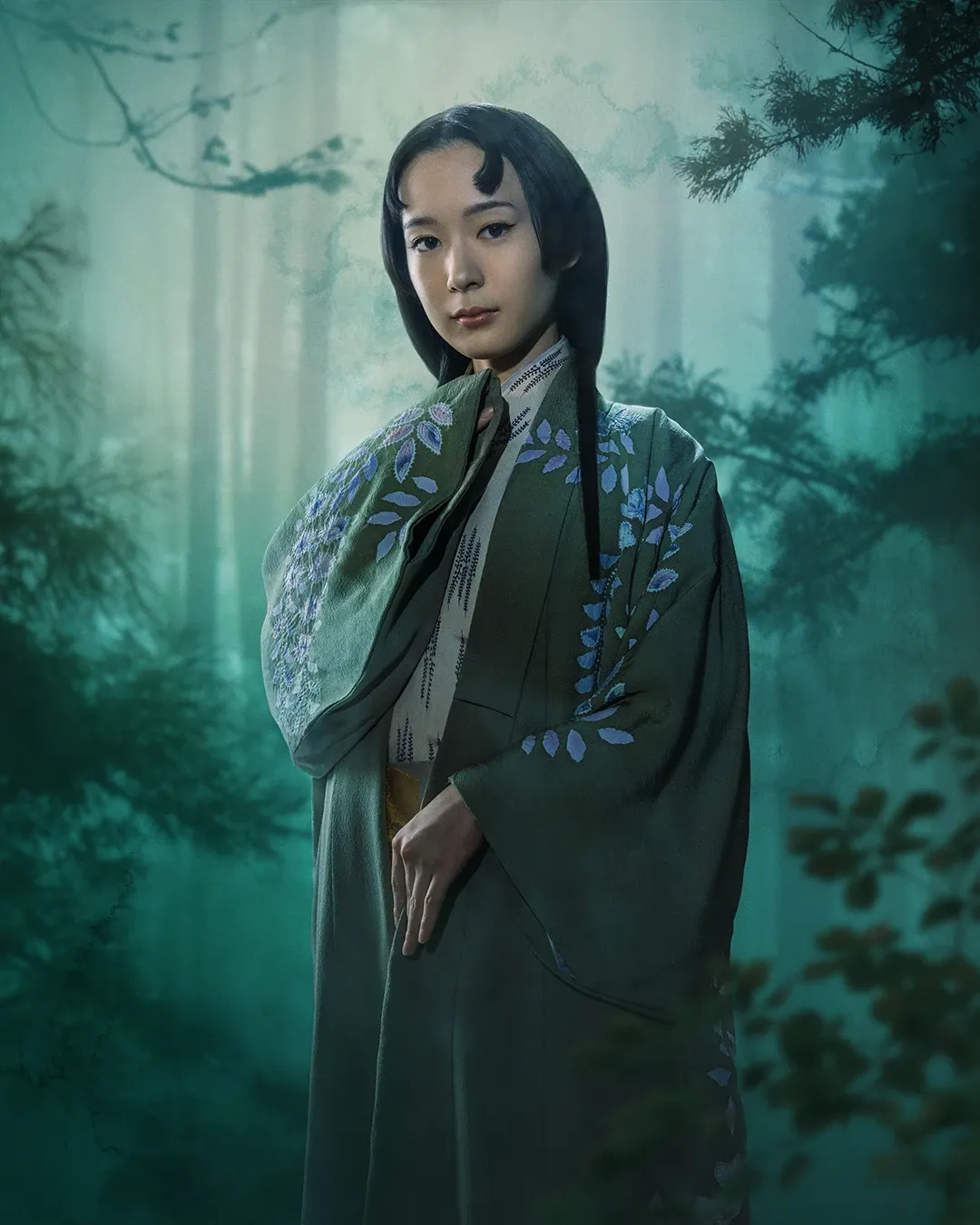
I want to give Fujiko her flowers. Her character wasn't featured as much in the show, which is understandable to me, but despite being somewhat simplified for adaptation purposes, the essence of her character still prevailed. She never wanted to become a consort to a barbarian, but understands her duty to her country. I believe in the book she agrees to be his consort for 6 months before being permitted to commit seppuku to free her of her duties. Her grandfather Hiromatsu asks her to chose life instead and become a nun. It was left somewhat open ended in the show as to whether she ended up staying with Anjin after the spreading of her husband and son's ashes, or if she went on to become a nun.
'Fuji, best nun' - Anjin
Personally I don't see Fujiko staying with the Anjin. She wishes to be reunited with husband and son in death. Perhaps she will become a nun for a while, but if she doesn't feel close to God, than I see her yearning to be close to ones once loved. Fujiko is an immensely sad character, ridden with tragedy, but she is able to equip this sadness and influence as a high born lady to weave her own web into the wheel. Oh and a gun apparently. She can also equip a gun. This scene was a little on the nose but I loved it can't lie. Just straight up Fuji Badass-ery.
For the most part, Fujiko was kind of put to the side in the series which is fair enough. There was even a scene at the end where Anjin is sat in his home and Fuji comes to sit next it him and even Anjin looks surprised that she is there, as if he too has forgotten all about her xD. Careful Anjin, she'll shoot a bitch.
Vasco Rodrigues
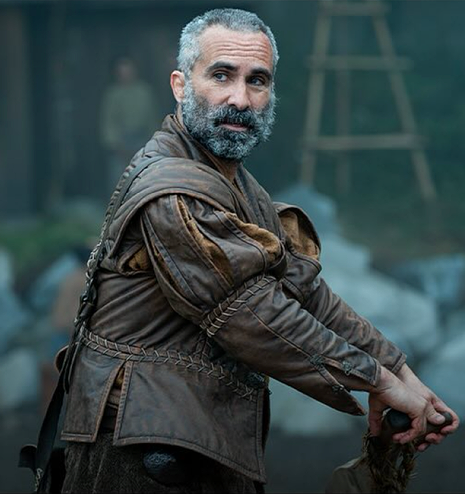
Much like Fuji, Rodrigues seemed to draw the short straw for screen time with this adaptation. In the book, I enjoyed how frequently Rodrigues seemed to appear as a frenemy to Anjin. Whether they are gunning for each other or saving each other's lives, they always fling insults at each other's way. Much like Anjin, Rodrigues is on his own perilous journey through Japan, and it's quickly clear how he has adapted to the lifestyle, not to mention whichever feudal lord it makes the most sense to align with at any given time. Despite not appearing too much in the show, I can't help but feel like this friendly rivalry between Rodrigues and Anjin will blossom in series two. Especially now that Anjin is training sailors and building his own fleet.
Side note - I need to stop picturing every sailor/pirate book character as Sea Hawk from She Ra and the Princess of Power but it's tough guys.... It's tough...

Final Thoughts
The writing, acting, costumes and set design for this adaptation are top notch. The book is highly detailed, which definitely gave me the necessary background knowledge to go into this worry-free. I am unsure if I would have enjoyed the show quite as much without all the necessary nuance and historical/cultural understanding received from the book. Then again, I watched this with my housemate, who hasn't read the book prior and he loved it, so who's to say?
I have since seen some clips of the 1980's adaptation which also looks very well done, so I am excited to give that a whirl at some point too! Perhaps I will add my thoughts to this post when I do.
As for this new series though, I must admit I am somewhat wary going into season 2, as there is no more book material to fully base it on. And as we know with adaptations, that can often be a slippery slope... I am confident that the showrunners know what they are doing with this series though, as season 1 has turned out to be a stellar adaptation managing to capture the essence of such a classic of historical fiction.
Also, I am happy to report that the lull experienced between 70%-90% of reading the book was far from the same experience in the show. The series felt like a steady crescendo of tension, building up episode after episode, before finally being released in an explosion of intensity.
"If I could use words like scattering flowers and falling leaves, what a bonfire my poems would make"

Comments